Consortium Named Top Bidder to Nearly Double Termogas Machala Capacity From 230 MW to 430 MW, Strengthening Grid After 2024 Blackout Crisis

230 MW to 430 MW Expansion
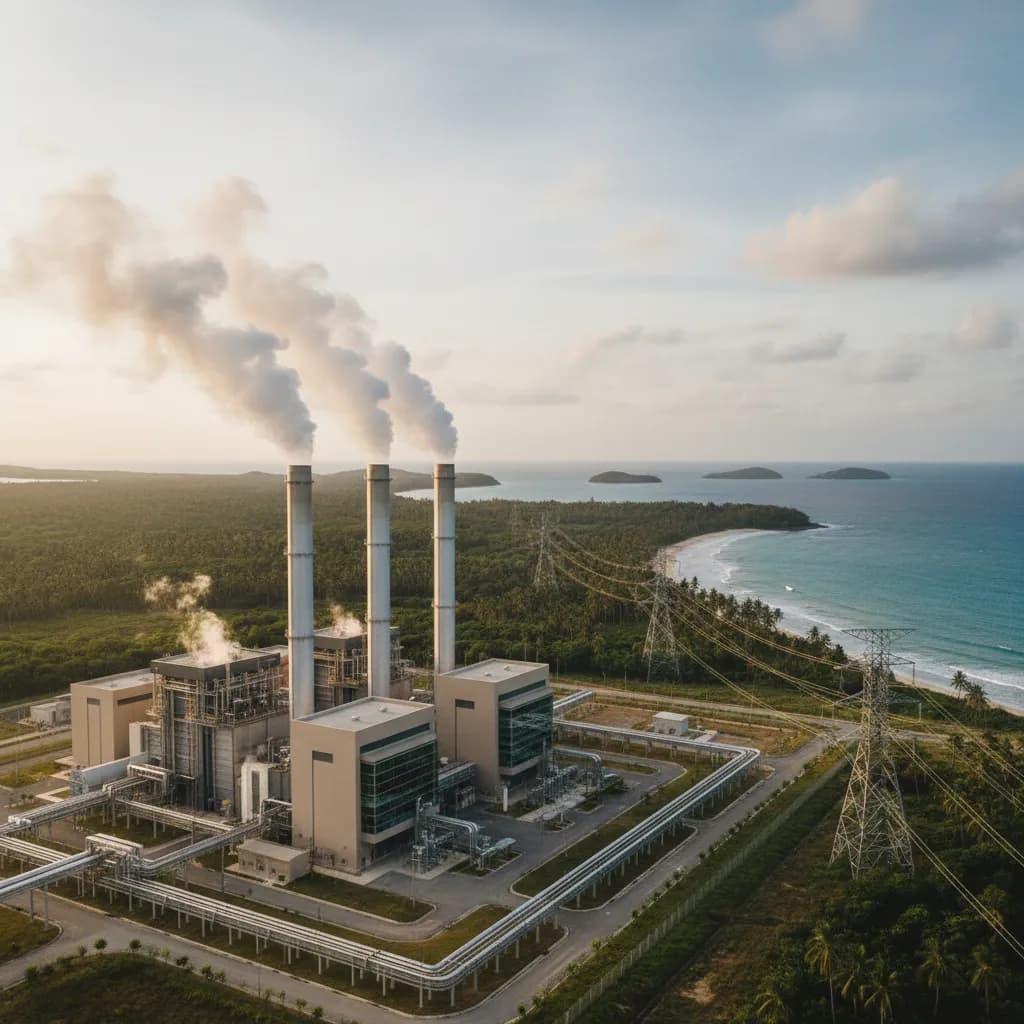
CELEC EP — Ecuador's state power generation company — has identified a consortium as the top bidder to support the revamp of the Termogas Machala natural gas-fired power plant, nearly doubling its capacity from 230 MW to 430 MW.
The 200 MW expansion will provide critical firm baseload capacity to Ecuador's national grid, which suffered rolling blackouts throughout 2024 due to drought-induced hydroelectric shortfalls.
Plant Overview
| Metric | Current | Post-Expansion |
|---|---|---|
| Installed capacity | 230 MW | 430 MW |
| Fuel source | Natural gas (Amistad field) | Natural gas (Amistad field) |
| Location | Machala, El Oro Province | Machala, El Oro Province |
| Grid role | Baseload thermal | Enhanced baseload thermal |
| Technology | Combined cycle gas turbines | Upgraded combined cycle |
The plant is fueled by natural gas from the Amistad field in the Gulf of Guayaquil, one of Ecuador's few commercially producing gas reserves. Unlike diesel-fired thermal plants that require expensive fuel imports, Termogas Machala operates on domestically sourced gas — making it both more cost-effective and cleaner.
Why It Matters: The 2024 Energy Crisis
Ecuador's electricity grid collapsed under prolonged drought conditions in 2024, exposing the country's dangerous over-reliance on hydroelectric generation (which accounts for approximately 75-80% of installed capacity):
| Energy Crisis Metric | Value |
|---|---|
| Hydroelectric share of generation | ~80% |
| Blackout duration (2024) | 8-12 hours daily in peak crisis |
| Economic cost | Estimated $1.5-2.0 billion in lost GDP |
| Diesel imports for emergency generation | $400+ million |
| Households affected | 5.2+ million |
The Termogas Machala expansion directly addresses this vulnerability by adding 200 MW of weather-independent generation that can operate year-round regardless of rainfall patterns.
Ecuador's Power Generation Mix
| Source | Capacity | Share |
|---|---|---|
| Hydroelectric | ~5,100 MW | ~72% |
| Thermal (gas/diesel) | ~1,800 MW | ~25% |
| Solar | ~32 MW | <1% |
| Wind | ~21 MW | <1% |
| Biomass/other | ~150 MW | ~2% |
The government's $2.43 billion power expansion plan aims to add 1,471 MW of renewable capacity (963 MW solar, plus wind, hydro, and geothermal) alongside thermal capacity upgrades like Termogas Machala. The complementary 2.1 GW power auction announced in January 2026 signals the largest grid investment in Ecuador's history.
Natural Gas Advantage
Termogas Machala holds a strategic advantage over Ecuador's other thermal plants:
- Domestic fuel supply: The Amistad field eliminates dependence on imported diesel, which cost Ecuador $2.70+/gallon in 2026
- Lower emissions: Natural gas produces approximately 50% less CO2 than diesel per MWh
- Dispatch cost: Gas-fired generation is significantly cheaper than diesel emergency generation
- Reliability: Combined cycle technology delivers 85%+ availability with scheduled maintenance
The Amistad field — operated under a service contract — produces gas primarily for power generation and limited industrial use in the Machala region.
Project Timeline and Investment
While specific contract values have not been disclosed, thermal power plant expansions of this scale typically involve investments of $150-250 million depending on technology specifications and infrastructure requirements.
The consortium selection process is advancing through CELEC EP's public procurement framework, with definitive contract terms expected in Q2 2026.
What to Watch
Track the final contract award and investment amount — this will signal the government's commitment to thermal diversification alongside the renewable buildout. Monitor Amistad field production capacity — the expansion assumes sufficient gas supply to fuel 430 MW of continuous generation, requiring sustained or increased field output. Watch for the 2.1 GW renewable auction timeline — how the thermal expansion coordinates with solar and wind additions will determine Ecuador's future generation mix. Track grid stability metrics during the 2026 dry season (October-December) — this will be the first test of whether recent investments have reduced blackout risk.
Sources: BNamericas, CELEC EP
Support daily Ecuador business intelligence.
Research support funds source monitoring, data checks, editing, publishing, and sector coverage for professionals tracking Ecuador.