Finance
Banking, capital markets, sovereign debt, fintech
97 articlesEcuador’s Seguro Joven Has 16,500 Affiliates. The Formalization Gap Is Larger.
Seguro Joven has reached 16,500 affiliates, while Ecuador’s broader youth labor market remains heavily informal and under-covered. The program’s design also changes when an affiliate turns 25.
Ecuador Credit Costs Are Falling Across Corporate and SME Segments
Ecuador’s average effective credit rate fell from 12.81% to 11.58% year over year. Corporate and SME borrowers saw larger reductions, creating a potentially more favorable financing environment for investment and expansion.
BCE Survey Points To Stronger Q3 Credit Demand With Tighter Screening
The central bank survey covers 23 private banks, 334 cooperatives, and four mutuals and points to stronger financing demand alongside continued risk controls.

SEPS Disputes The Delay Around Incoop’s Forced Liquidation
SEPS says Incoop failed three of 41 intensive-supervision strategies and that its forced liquidation was administratively ratified on April 10, 2026.
Ecuador Evaluates Supplemental IMF Resilience Financing
A possible IMF resilience facility would add a financing option for Ecuador, while the Finance Ministry says the 2026 economic program is already funded.
World Bank Approves USD 750M Budget Support Operation For Ecuador
The World Bank Group approved USD 750 million in budget support for Ecuador, backing reforms around public spending, fiscal risk, social transfers, business climate, financing for companies, and private-sector participation.
Large Cooperative Delinquency Holds At 8.3% As Microcredit Stress Persists
Ecuador's 44 large savings and credit cooperatives held 78% of cooperative-sector credit through May 2026, while delinquency stood at 8.3% in June. Microcredit remains the weakest segment at 10.81%, reflecting stress among entrepreneurs and small businesses.
Ecuador Digital Payments Scale As Cash Withdrawals Drop 22% In 2025
Ecuador’s private-bank cash withdrawals from savings accounts fell 22% in 2025, while POS and electronic payment channels grew 35% over two years. Digital channels now account for 67.7% of transaction count and 67% of amount moved, signaling a structural shift in retail payments and banking usage.
Insecurity Is Top External Concern For 53% Of Ecuador SMEs
Insecurity is the leading external concern for 53% of Ecuador SMEs in Chubb’s latest barometer. The study says theft, violence and extortion create material losses, raise operating costs and reduce confidence in the business environment.
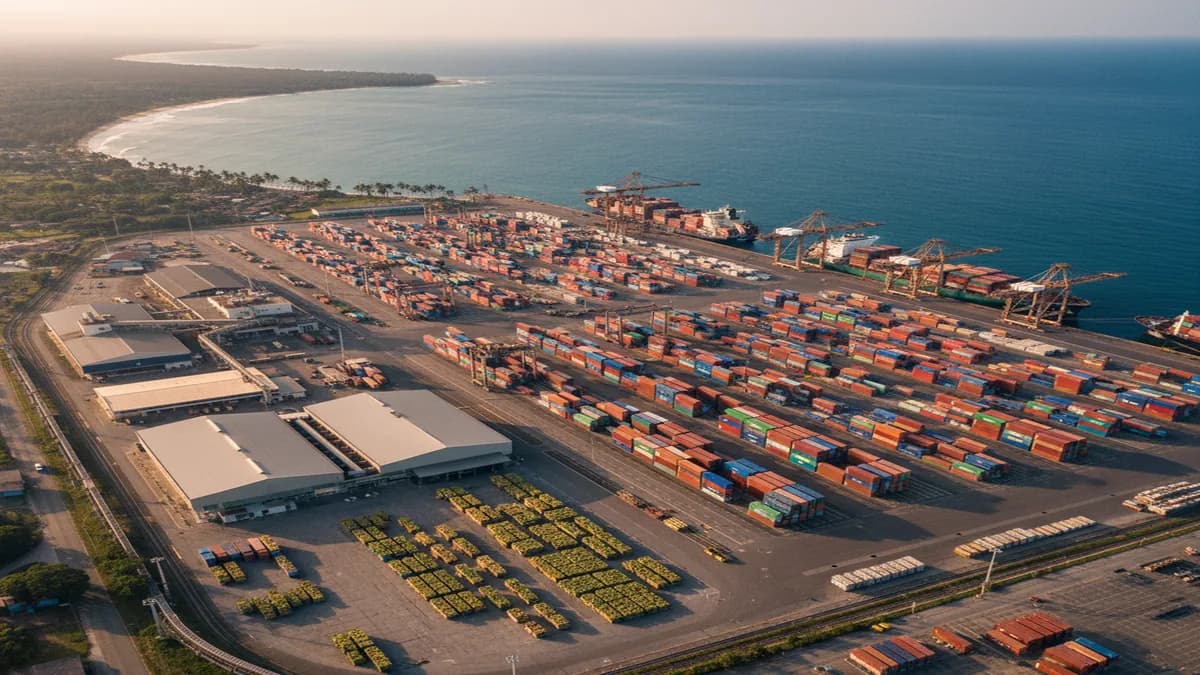
Ecuador Reports USD 1.292B In 2025 Sustainable Finance Mobilization
Ecuador mobilized USD 1.292 billion in sustainable finance in 2025, according to the Mesa de Finanzas Sostenibles. The total includes housing, water and sanitation, climate finance, biodiversity bonds and public development-bank credit lines.
Monetary Code Reform Proposes Inclusion Credit Rates For Borrowers Without History
A Monetary Code reform under review in the National Assembly proposes a special interest-rate regime for borrowers without credit history or risk-bureau records. The Financial and Monetary Policy Board would set the regime, while the proposal currently limits inclusion loans to 36 months.
Ecuador Private Banks Post Record USD 544.1M H1 Profit
Ecuador's private banking system reported USD 544.1 million in first-half 2026 profit, the highest first-half figure in a decade. The result was up 30.39% from USD 417.3 million in H1 2025, while Pichincha, Pacífico, Guayaquil and Produbanco captured 72% of sector profits.
Ecuador Finance Reform Targets Interest-On-Interest In Debt Refinancing
Ecuador’s Economic Regime Commission is preparing second-debate language on a financial reform targeting interest-on-interest treatment in some debt refinancings. The same reform would broaden securities-market intermediary roles beyond brokerage houses to include financial-system entities such as banks.
BanEcuador Consumer Credit Rises As Microcredit Falls Before El Niño
BanEcuador’s consumer-credit portfolio rose to USD 67 million in June 2026 while microcredit fell to USD 1.025 billion. The mix shift is notable as El Niño risk builds for agricultural borrowers.
Ecuador Cash Income Receipt Rises To 21% As Account Use Falls
A 2026 regional financial-inclusion survey found 21% of Ecuador respondents received salaries or other income in cash in 2025, up from 19% in 2024, while own-account receipt fell to 44%.
Ecuador FDI Reaches USD 431.5M In Q1 As Singapore And Peru Lead Inflows
Ecuador recorded USD 431.5 million in foreign direct investment in Q1 2026, up 85.7% from the same period of 2025, led by Singapore and Peru.
IESS Active Affiliates Reach 3.6 Million As Contribution Base Expands
Ecuador’s social-security system reached 3.6 million active affiliates as of May 2026, up more than 102,000 people from the prior year. The key operating data point for employers is the 9.45% employee contribution and 11.5% employer contribution on dependent labor.
Spain Housing Costs Pressure Ecuadorian Migrant Hubs In Madrid And Barcelona
Spain’s housing-price increase is concentrated in several provinces where Ecuadorian migrants live and work. Madrid reached USD 4,614 per square meter, while the Ecuadorian population in Spain exceeds 460,000 people.
Ecuador Remittances Reach USD 1.8567 Billion In First Quarter Of 2026
Remittances into Ecuador totaled USD 1.8567 billion in the first quarter of 2026, according to central bank data cited in the latest report. The figure remained above the prior-year quarter but showed deceleration from the fourth quarter of 2025.
Assembly First Debate Puts Mora Interest And Securities-Market Reform In Same Bill
Ecuador’s Assembly opened first debate on a Código Monetario y Financiero reform covering mora-interest rules, forced-liquidation protections, and securities-market changes. The capital-market section drew objections from RC, Pachakutik, and PSC legislators over extrabursátil operations and unity-of-matter concerns.
Evergreen Resources
Ecuador Economy Guide
Complete guide to Ecuador's economy: GDP structure, dollarization, fiscal policy, sovereign debt, inflation, and economic outlook. Essential reading for investors and business professionals.
Foreign Investment Guide
Complete guide for foreign investors evaluating Ecuador: FDI framework, sector opportunities, incentives, risk factors, and due diligence checklist.
Ecuador Banking Guide
Guide to Ecuador's banking system: major banks, account opening, business credit, interest rates, and regulatory environment.