CAF and Ecuador Sign Technical Cooperation Agreement on Competitiveness at International Economic Forum

CAF and Ecuador Sign Technical Cooperation Agreement on Competitiveness at International Economic Forum
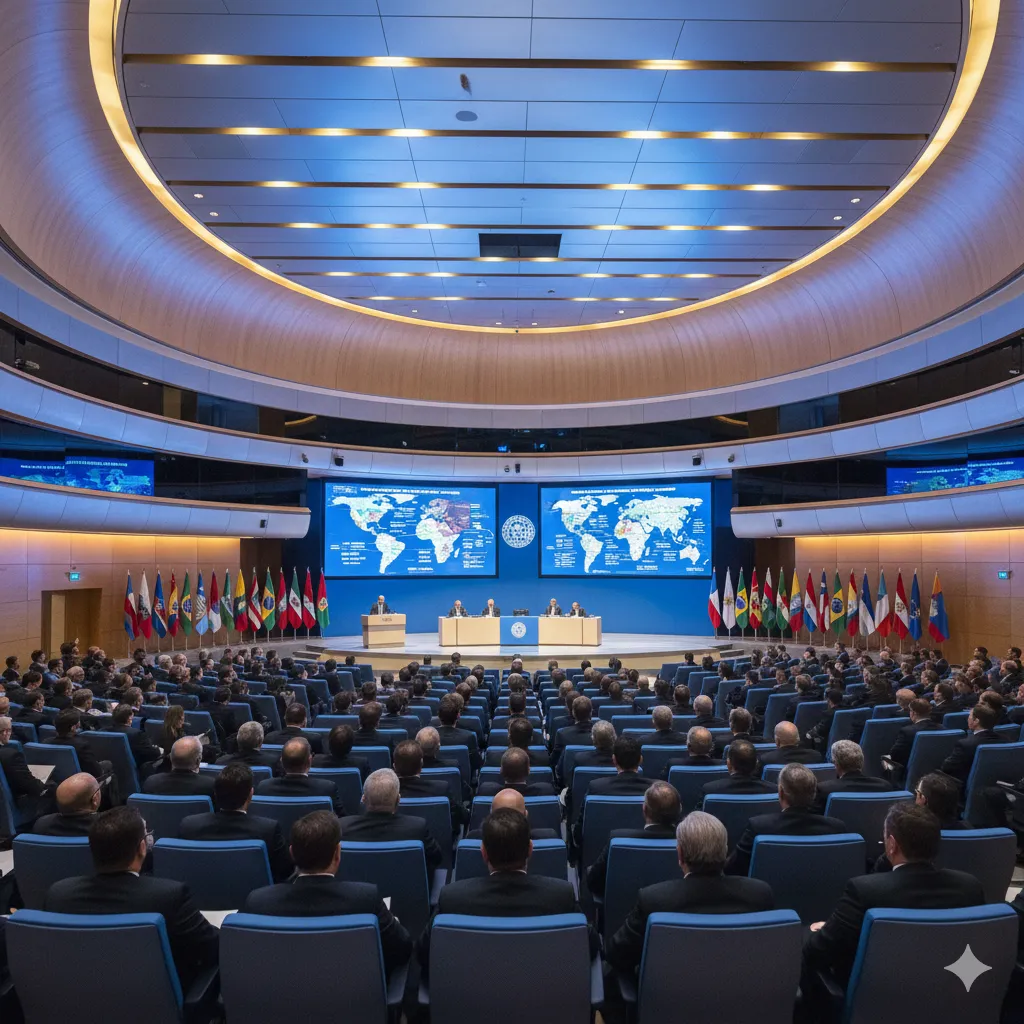
Ecuador's Ministry of Production, Foreign Trade and Investment signed a non-reimbursable technical cooperation agreement with CAF -- Development Bank of Latin America and the Caribbean -- focused on strengthening the country's competitiveness policy framework. The agreement was formalized at the II International Economic Forum held January 28-30 in Panama City.
Agreement Details
The cooperation pact was signed by CAF Executive President Sergio Diaz-Granados and Ecuador's Minister of Production, Foreign Trade and Investment Luis Alberto Jaramillo. Under the terms, CAF will provide:
- Non-reimbursable technical assistance for the design and implementation of a national competitiveness strategy
- Diagnostic assessments of Ecuador's regulatory environment, logistics infrastructure, and trade facilitation mechanisms
- Benchmarking studies comparing Ecuador's competitiveness indicators against regional peers including Colombia, Peru, and Chile
- Capacity building for government officials in evidence-based policy design and evaluation
"This agreement reflects CAF's commitment to supporting Ecuador's transition toward a more diversified, productive, and competitive economy," said Diaz-Granados during the signing ceremony. "The technical cooperation will focus on identifying and removing the structural bottlenecks that prevent Ecuadorian businesses from reaching their full potential."
Forum Context
The II International Economic Forum, organized by the Panamanian government and multilateral partners, drew 6,500 participants from 70 countries, including heads of state, finance ministers, central bank governors, and private-sector leaders. The event focused on themes of sustainable growth, digital transformation, and trade integration across Latin America and the Caribbean.
President Daniel Noboa delivered a keynote address on January 29 in which he outlined Ecuador's three-pillar strategy:
- Economic stability: Emphasizing the country's commitment to fiscal discipline, dollarization, and the IMF programme as foundations for investor confidence
- Security restoration: Detailing progress in the government's campaign against organized crime, including a 42% reduction in homicides in 2025 compared to the peak in 2023
- Productive transformation: Highlighting mining sector development, digital economy initiatives, and trade diversification as growth engines
"Ecuador is no longer a country defined by its crises. We are building an economy defined by its opportunities," Noboa told the forum audience.
Competitiveness Challenges
Ecuador currently ranks 90th out of 141 economies on the World Economic Forum's Global Competitiveness Index, trailing regional peers such as Chile (33rd), Colombia (57th), and Peru (65th). Key areas of weakness identified by international assessments include:
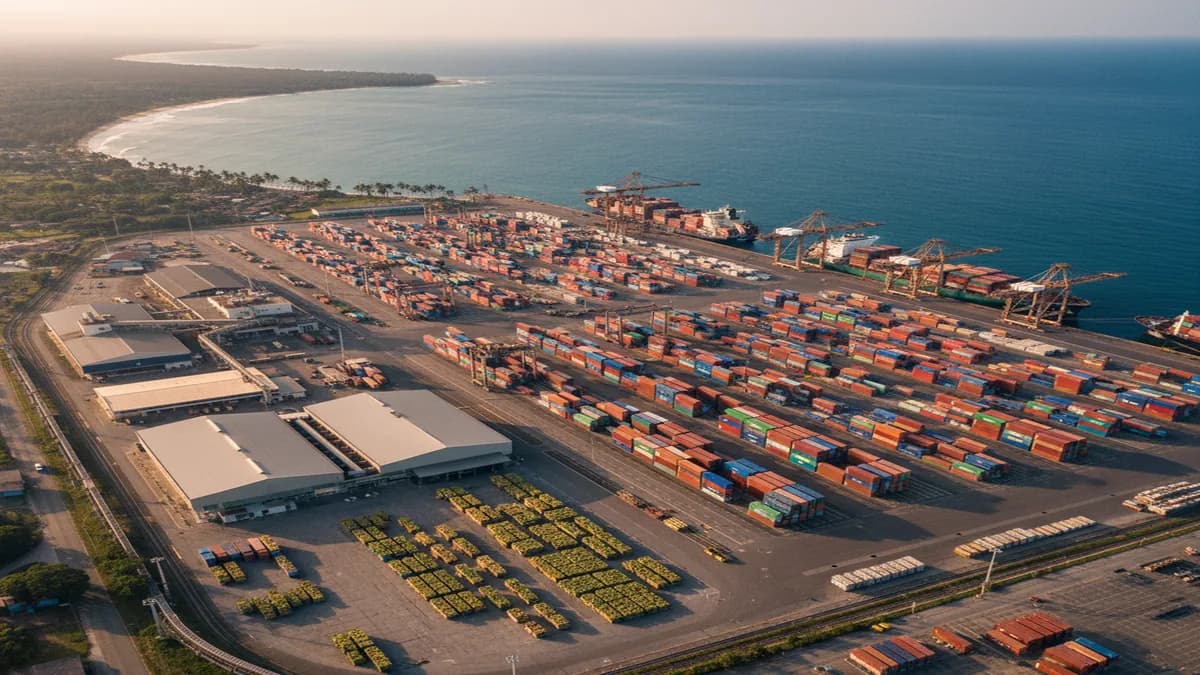
- Infrastructure: Particularly road quality outside major urban corridors and port efficiency at Guayaquil
- Innovation ecosystem: R&D spending at just 0.4% of GDP, compared to a Latin American average of 0.7%
- Regulatory burden: Business registration and customs clearance procedures remain above OECD averages in time and cost
- Labour market rigidity: Employers cite hiring and firing regulations as among the most restrictive in the region
The CAF cooperation agreement specifically targets these structural gaps, with an initial 12-month diagnostic phase expected to produce actionable policy recommendations by early 2027.
Broader CAF Engagement
The agreement adds to CAF's growing portfolio in Ecuador, which includes approximately $4.2 billion in active loans across infrastructure, energy, and social development projects. CAF approved $780 million in new lending to Ecuador in 2025, including financing for the Quito Metro extension and rural connectivity programmes.
Minister Jaramillo noted that the competitiveness cooperation complements Ecuador's ongoing efforts to negotiate free trade agreements with South Korea, Canada, and the United Kingdom, where improved competitiveness metrics would strengthen the country's negotiating position.
Source
CAF — "Ecuador joins the International Economic Forum 2026 and signs technical cooperation agreement with CAF"
View originalSupport daily Ecuador business intelligence.
Research support funds source monitoring, data checks, editing, publishing, and sector coverage for professionals tracking Ecuador.