Port Reform Targets 12,000 Abandoned Containers in Ecuador

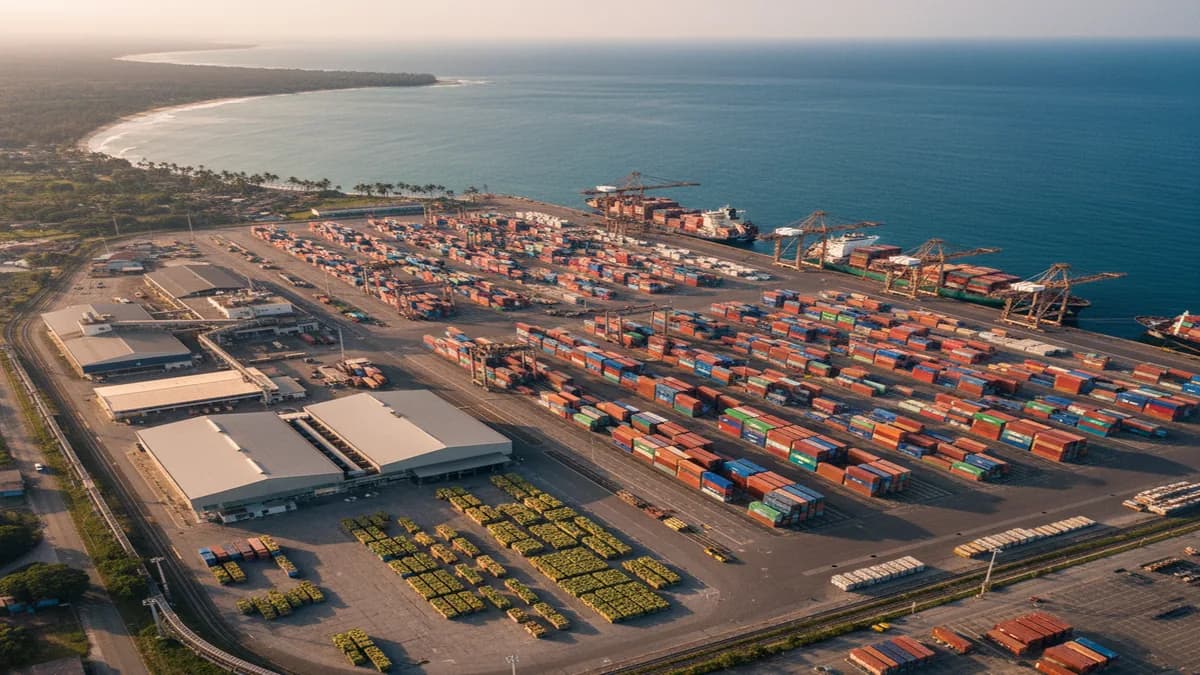
Ecuador is advancing a legal reform to clear more than 12,000 abandoned containers from national ports, targeting a logistics backlog that ties up port capacity and retained cargo valued at about $450 million.
The proposal reforms the Organic Code of Production, Commerce and Investment (COPCI) and reflects a customs proposal from Senae.
Backlog Scale
| Indicator | Figure |
|---|---|
| Abandoned containers identified annually | More than 12,000 |
| Estimated retained cargo value | About $450M |
| Average wait time | 365 days |
| Longest immobilized cargo cases | More than 18 years |
| Articles in proposal | 7 |
| Transitory provisions | 3 |
The cargo mix includes vehicles, clothing, shoes, home goods, appliances, electronics, technology, medicines, beauty products and refrigerated containers.
Port-Capacity Drag
Port-terminal representatives warned that some strategic terminals have more than 65% of abandoned containers stored for more than five years.
In TPG, Fertisa and Naportec, abandoned cargo categories total 339 containers, with 65% immobilized for more than five years.
Refrigerated-container costs can reach $159,116, while more than $1.2 million in unbilled services is tied to abandoned containers.
Proposed Mechanism
The reform prioritizes delivery of merchandise declared in abandonment, administrative confiscation or judicial confiscation to public-sector bodies and companies.
If no rights are proven within the applicable period, goods may be adjudicated or auctioned. If a criminal process exists, auction proceeds would remain under Senae custody until the case is resolved.
What to watch
- Whether the reform passes beyond debate and changes customs handling timelines.
- Whether auction and adjudication rules reduce storage costs for port operators.
- Whether Guayaquil-linked terminals report lower abandoned-cargo inventories.
- Whether customs backlogs affect active import/export throughput during 2026.
Source
El Universo — "Reforma legal busca descongestionar 12.000 contenedores abandonados en los puertos del país"
View originalSupport daily Ecuador business intelligence.
Research support funds source monitoring, data checks, editing, publishing, and sector coverage for professionals tracking Ecuador.